Ball Pythons: The Shyest Snakes You'll Ever Meet
They curl into a ball when nervous, refuse to eat if the vibes are off, and hide behind their water dish like it's a fortress. Ball pythons are gentle giants with anxiety.
Ball Pythons: The Shyest Snakes Alive
When most people think of snakes, they picture something aggressive, fast, and intimidating. Ball pythons are none of these things. They are the anxiety-ridden introverts of the snake world -- gentle, slow-moving, and so conflict-averse that their primary defence mechanism is literally curling into a ball and hoping you go away.
The Ball
The name says it all. When a ball python feels threatened, stressed, or mildly inconvenienced, they tuck their head inside their coils and form a tight sphere. They will stay like this until they've decided the situation has improved, which can take anywhere from five minutes to several hours. You cannot rush a ball python. They are on their own timeline and your schedule is irrelevant.
The Eating Drama
Ball pythons are infamous for going on hunger strikes. The reasons can include:
- The temperature changed slightly
- The humidity changed slightly
- You moved their hide two centimetres to the left
- It's winter and they've decided to semi-hibernate even though they live in a heated enclosure
- The prey item was the wrong colour (yes, really)
- They just don't feel like it
- Vibes are off
Experienced keepers learn to accept this. A healthy ball python can go months without eating and be perfectly fine. It will, however, give you stress levels that rival the snake's own.
The Hide Life
Ball pythons spend the vast majority of their time hiding. They need at least two hides in their enclosure -- one on the warm side, one on the cool side -- and they will use both with the dedication of someone who considers "staying home" a personality trait. If you want a pet you'll see frequently, a ball python may test your patience. If you lift their hide to check on them, they'll look at you with an expression that clearly says, "I was busy doing nothing and you've interrupted."
Why They're Great Pets (Really)
Despite -- or perhaps because of -- their shy nature, ball pythons are excellent pets:
- They're extremely docile and almost never bite
- They're a manageable size (typically 90-150cm as adults)
- They move slowly and are easy to handle
- They don't need daily feeding (once every one to two weeks for adults)
- They're quiet (obviously)
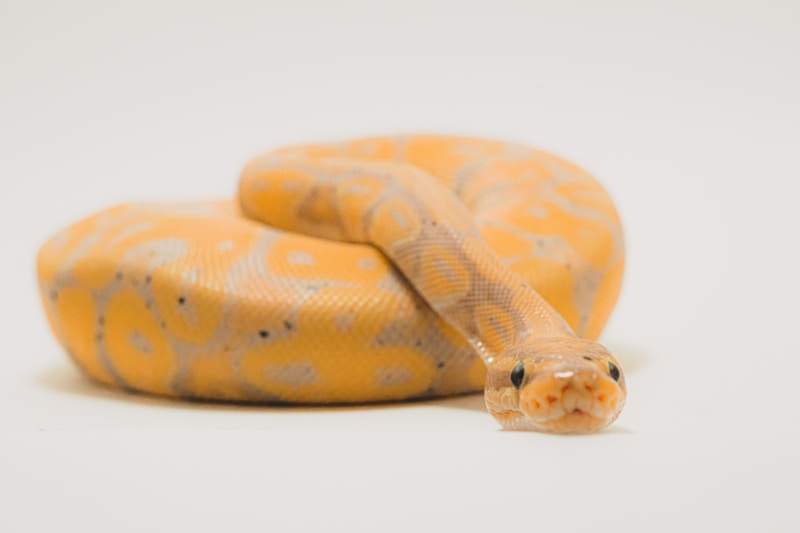
- They come in hundreds of colour morphs, from the classic brown-and-gold to pure white, banana yellow, and everything between
Handling a Ball Python
The key is gentleness and confidence. Support their body, let them move through your hands, and don't make sudden movements. A relaxed ball python will slowly explore, flicking their tongue to take in information. They're not being threatening -- they're just reading the room. Literally. With their tongue.
The Long Game
Ball pythons can live twenty to thirty years in captivity, with some reaching forty. That shy little noodle you brought home in your twenties could still be with you in your fifties. It's a long relationship, and like all good relationships, it's built on trust, patience, and accepting that sometimes they just need their space.

Stay in the loop
Sign up for our weekly pet newsletter and never miss a story.