How to Pet-Proof Your Home Without Losing Your Mind
Your new pet sees your home very differently than you do. That phone charger? A chew toy. Those houseplants? A salad bar. That open toilet? A water feature.
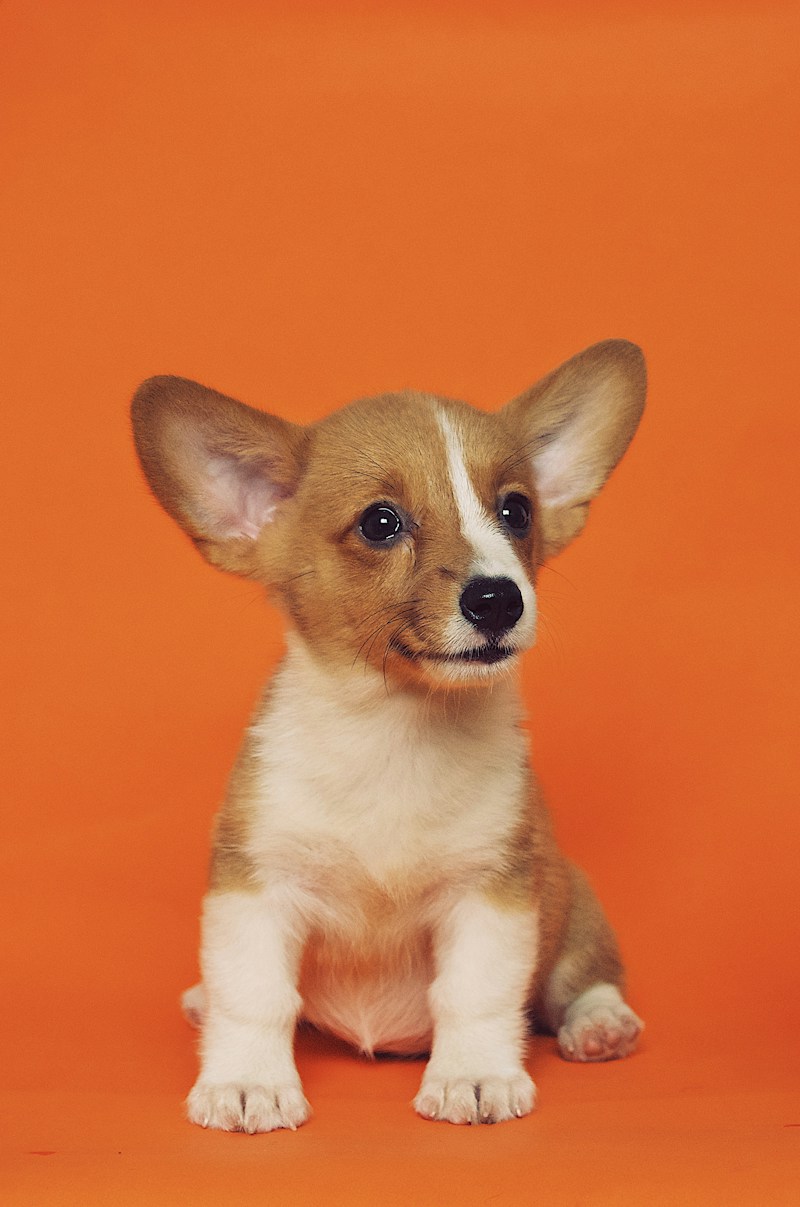
How to Pet-Proof Your Home
You've decided to get a pet. Wonderful. Now look around your home and try to see it through the eyes of a creature whose primary hobbies are chewing, climbing, and investigating anything that could potentially kill them. That vase? A target. Those cables? Spaghetti. Welcome to pet-proofing.
The Floor Scan
Get on your hands and knees. Seriously. Crawl around your home at pet level. You'll be amazed at what you find: dropped tablets, stray rubber bands, coins, hair ties, bits of string, and approximately forty-seven things your pet will immediately try to eat. Pick them all up. Then do it again tomorrow, because somehow there will be more.
Cables and Cords
Puppies chew cables. Kittens chew cables. Rabbits chew cables with such precision and speed that they could work for a demolition company. Invest in cable covers, run wires behind furniture, or use bitter apple spray on anything you can't hide. A chewed cable isn't just an inconvenience -- it's an emergency vet visit waiting to happen.
Toxic Plants
A startling number of common houseplants are toxic to pets. Lilies can cause kidney failure in cats. Sago palms are lethal to dogs. Even the humble pothos, which is in approximately every home, is toxic if chewed. Check every plant against a pet toxicity database before keeping it within reach. When in doubt, move it somewhere your pet cannot access -- and remember that "somewhere your cat cannot access" is a much smaller list than you think.
The Kitchen
- Keep bin lids secure (dogs will raid them; cats will knock them over)
- Store chocolate, grapes, onions, and xylitol-containing products well out of reach
- Never leave food unattended on counters (you know why)
- Secure cupboard doors if you have a clever pet who's learned to open them
The Bathroom
Close the toilet lid. Your dog sees it as a refreshment station. Your cat sees it as a hazard they'll somehow fall into at 3 AM. Keep medications in closed cabinets -- many human medications are lethal to pets even in small doses.
Small Objects
Anything small enough to be swallowed will be investigated. Lego, buttons, earbuds, hair clips, and children's toys are all potential choking hazards or intestinal blockages. If you have small children and small pets, your floor vigilance needs to be roughly triple what it currently is.
The Ongoing Battle
Pet-proofing isn't a one-time job. It's an ongoing negotiation between your desire for a nice home and your pet's desire to destroy it. You'll find a rhythm. They'll find a new weakness. The cycle continues. But a safe pet is worth every inconvenience.

Stay in the loop
Sign up for our weekly pet newsletter and never miss a story.