The Beginner's Guide to Pet Nutrition: What to Feed and What to Avoid
Your dog doesn't need a grain-free artisanal diet. Your cat absolutely needs meat. And no, neither of them should be eating your leftover curry. Here's the actual guide.
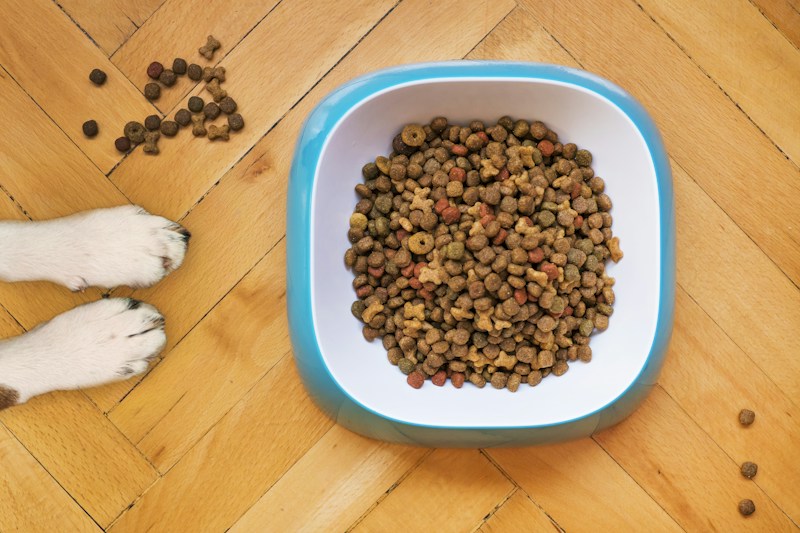
The Beginner's Guide to Pet Nutrition
Pet food is a multi-billion pound industry, which means there's an enormous amount of marketing designed to make you feel guilty about what you're feeding your animal. Raw diets, grain-free diets, organic diets, breed-specific diets -- the options are overwhelming. Let's cut through the noise.
Dogs: The Basics
Dogs are omnivores. They can eat a wide range of foods and do well on a balanced commercial diet. The most important thing is that the food meets nutritional standards set by organisations like AAFCO (Association of American Feed Control Officials) or FEDIAF in Europe.
What dogs need:
- Protein (the primary ingredient should be a named meat source)
- Fats (for energy, coat health, and nutrient absorption)
- Carbohydrates (yes, dogs can digest grains -- the grain-free trend has actually been linked to heart problems in some dogs)
- Vitamins and minerals
Cats: Obligate Carnivores
This is the key difference. Cats are obligate carnivores, meaning they must eat meat. They cannot survive on a vegetarian or vegan diet. They need taurine, arachidonic acid, and vitamin A in preformed animal-based forms. Without these, they develop serious health problems.
What cats need:
- High-quality animal protein as the primary ingredient
- Taurine (essential -- deficiency causes heart disease and blindness)
- Adequate moisture (cats are historically bad at drinking water, so wet food helps)
- Minimal carbohydrates (cats don't process them efficiently)
Foods That Are Dangerous
Some human foods are genuinely toxic to pets:
- Chocolate -- toxic to dogs and cats (darker = more dangerous)
- Grapes and raisins -- can cause kidney failure in dogs
- Onions and garlic -- damage red blood cells in both dogs and cats
- Xylitol (artificial sweetener) -- extremely toxic to dogs, even in small amounts
- Cooked bones -- can splinter and cause internal injury
- Alcohol -- toxic to all pets, even in small quantities
- Macadamia nuts -- toxic to dogs
The Raw Diet Debate
Raw feeding has passionate advocates and equally passionate critics. The evidence is mixed. Potential benefits include shinier coats and cleaner teeth. Potential risks include bacterial contamination (salmonella, E. coli) for both pets and humans, and nutritional imbalances if the diet isn't carefully formulated. If you want to try raw feeding, consult a veterinary nutritionist -- not a blog.
How Much to Feed
Overfeeding is the most common nutritional mistake pet owners make. Follow the guidelines on the packaging as a starting point, then adjust based on your pet's body condition. Your vet can show you how to assess body condition -- you should be able to feel your pet's ribs without pressing hard, but not see them.
Treats
Treats should make up no more than ten percent of your pet's daily calorie intake. That's less than most people think. A few training treats throughout the day is fine. Half your dinner is not a treat -- it's a second meal.
When in Doubt
Ask your vet. Not the internet. Not the pet shop employee. Your vet. They went to school for this.
Stay in the loop
Sign up for our weekly pet newsletter and never miss a story.